


Electrical jobs encompass a wide range of roles and responsibilities, depending on the specific field and industry. Here's a general overview of some common electrical job descriptions:
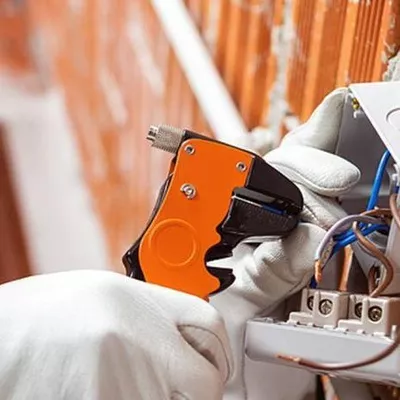
Electrician: Electricians are responsible for installing, maintaining, and repairing electrical systems in residential, commercial, and industrial settings. They interpret blueprints, follow electrical codes and regulations, and use various tools and equipment to complete wiring, lighting, and other electrical projects safely and efficiently.
Electrical Engineer: Electrical engineers design, develop, and test electrical systems and components. They may work on projects ranging from power generation and distribution to telecommunications and control systems. Electrical engineers typically need a strong understanding of electrical theory, mathematics, and computer-aided design (CAD) software.
Electrical Technician: Electrical technicians assist engineers and electricians in installing, troubleshooting, and repairing electrical equipment and systems. They may work in manufacturing plants, laboratories, or construction sites, performing tasks such as assembling circuits, testing components, and conducting preventive maintenance.
Maintenance Electrician: Maintenance electricians focus on the upkeep and repair of electrical systems and equipment within a facility or organization. They inspect electrical systems, identify issues, and perform corrective maintenance to ensure optimal performance and safety. Maintenance electricians often work in industrial settings such as factories, refineries, or power plants.
Power Systems Engineer: Power systems engineers specialize in the design, operation, and optimization of electrical power generation, transmission, and distribution systems. They may work for utility companies, renewable energy firms, or consulting firms, analyzing grid performance, integrating renewable energy sources, and implementing grid modernization projects.
Electrical Estimator: Electrical estimators analyze project requirements and specifications to determine the cost of materials, labor, and equipment needed for electrical installations or renovations. They prepare accurate cost estimates and proposals for clients, contractors, or project managers, utilizing software tools and industry knowledge to ensure competitive bidding and profitability.
Field Service Engineer: Field service engineers provide on-site technical support and troubleshooting for electrical equipment or systems. They travel to customer locations, diagnose issues, and perform repairs or maintenance to minimize downtime and ensure customer satisfaction. Field service engineers may specialize in specific products or industries, such as medical devices or telecommunications.
These descriptions provide a glimpse into the diverse opportunities available in the electrical field, with roles ranging from hands-on installation and maintenance to design, engineering, and project management.
View More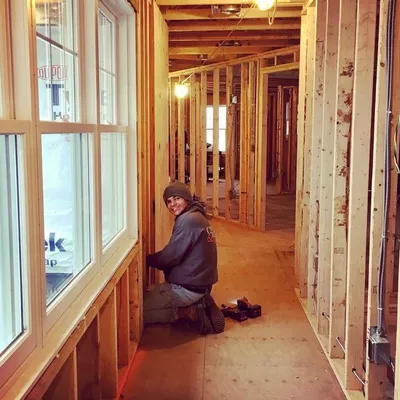



 Plumbing
402
Plumbing
402
 AC Repair
567
AC Repair
567
 Kitchen Remodeling
155
Kitchen Remodeling
155
 Roofing
652
Roofing
652
 Landscaping
268
Landscaping
268
 Lawn Care
969
Lawn Care
969
 Movers
991
Movers
991
 Patios
24
Patios
24
 Locksmiths
147
Locksmiths
147
 Bathroom Remodeling
228
Bathroom Remodeling
228
 Interior Designers
217
Interior Designers
217
 House Cleaning
5796
House Cleaning
5796
 Handyman
4297
Handyman
4297
 AC Installation
225
AC Installation
225
 Water Damage
101
Water Damage
101
 Exterminators
121
Exterminators
121
 Garage Door Repair
184
Garage Door Repair
184
 Window Installation
101
Window Installation
101
 Home Security
5
Home Security
5
 Solar Panel Installation
52
Solar Panel Installation
52